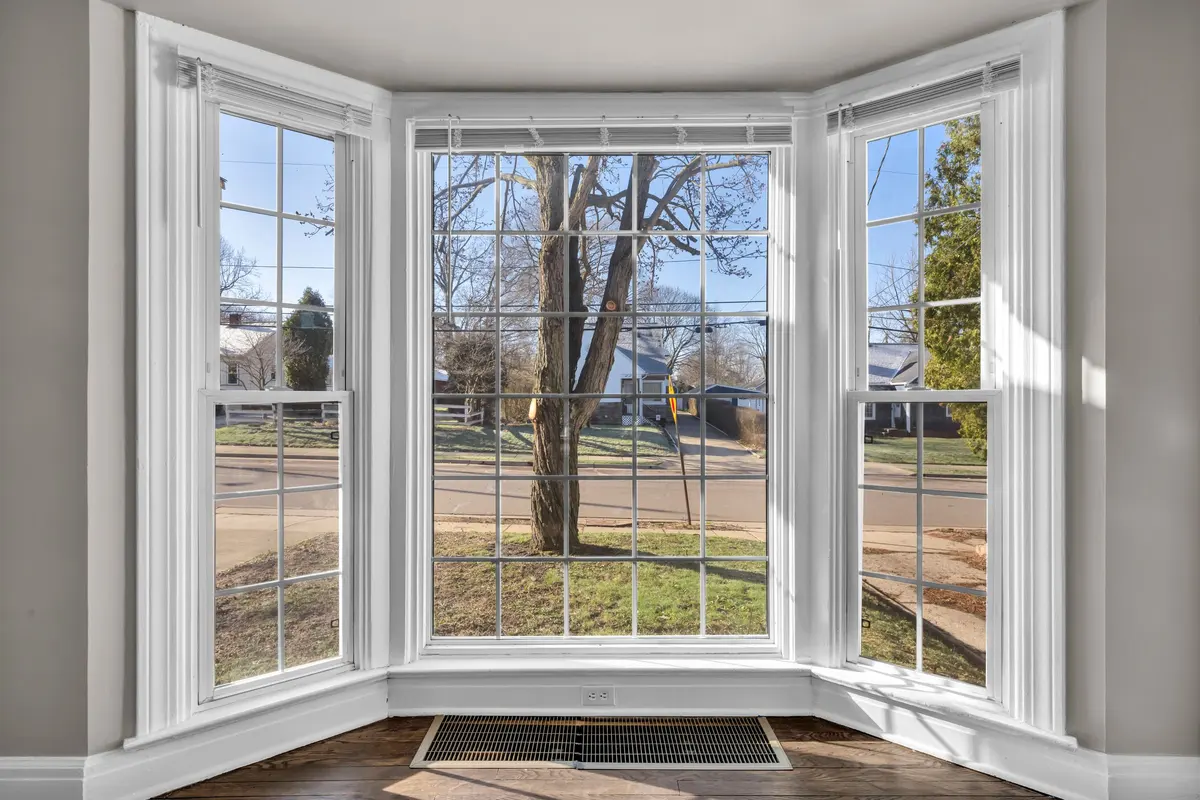
Window Trim & Door Casing Installation in Westchester, NY
Casings, aprons and stools that finish the opening, hide the gap between wall and frame and tie the room together.
Window & Door Casing in Yorktown Heights and Westchester
Casing is the trim that frames a window or doorway. It covers the gap between the wall and the frame, creates a clean visual edge and, on a window, includes a stool, the shelf at the bottom, and an apron beneath it. Done well, the casing gives an opening a finished look. When it is missing, the raw jamb and visible gap look like the job was left half done.
This is one of the most frequent follow-up jobs after new windows go in. Replacement windows are often installed with just enough interior trim to close up the gap, leaving the rest for the homeowner to finish. A carpenter can then build the extension jambs, stools and casings so the windows look as good inside as they do outside.
Style is the other half. A classic colonial house is usually fitted with a simple flat casing and a stool and apron. A craftsman style might call for a wider casing with a head cap. We work with you and the existing trim so the new casing looks like it belongs.
Signs it is time for new window and door casing
- New or replacement windows were installed and the inside edges are bare or rough.
- A visible gap sits between the window frame and the wall, letting in drafts and dust.
- The window stool or apron is stained, cracked or rotted from condensation.
- Trim is mismatched from room to room after past repairs.
- Paint is peeling or caulk is open around the frame.
- You are updating the look of a room and want the openings to match.
How we install window and door casing
Look at the opening
We check the frame for square, measure the reveal and look for damage or rot that has to be repaired before trim goes up.
Choose the style
We select a casing profile and width that suits the house and sets a consistent reveal from the frame to the edge of the trim.
Build extensions if needed
Where the window frame sits proud of or behind the wall, we build extension jambs so the trim has something flush to land on.
Fit the stool, apron and casing
The stool is cut to the opening, the casing is mitered or butted for the chosen style, and everything is fastened into framing.
Fill and caulk
Joints are caulked, nail holes filled and the trim is left ready for paint.
What affects the cost of casing and window trim
The price depends mostly on how many openings there are and how detailed the trim is.
Number of openings
Each window or door is its own set of measured, cut and fitted pieces.
Casing style
A simple flat casing costs less than a multi-piece craftsman profile with a head cap and apron.
Extension jambs
New windows set deep in a thick wall need extension jambs built before trim can be installed.
Material
Paint-grade pine or MDF costs less than solid hardwood, and PVC is the best choice where moisture is a concern.
Repairs first
Rotted stools, damaged jambs and plaster repairs add steps before the new trim goes on.
Why we treat casing as more than a finishing touch
Casing is where wall, window and trim all meet, so every small mismatch shows. We pay attention to reveals, the consistent margin between the frame and the edge of the casing, and to how the corners meet. Matching the reveal on all openings in a room is what makes the room look pulled together.
We also coordinate with the window project itself. If new windows are on the way, tell us the delivery date and we will schedule the trim to follow, so you do not live with bare jambs for longer than you have to.
Where we do this work
Window and door casing work is spread across our whole area. Older colonials in Somers and Yorktown Heights often need casing profiles that echo the original trim, while homes in Shrub Oak and Mohegan Lake with updated windows frequently need the interior finished.
Carpenter in Somers · Carpenter in Shrub Oak · All service areas
Window & Door Casing: questions homeowners ask
Do you install the windows too?
Our focus is the interior carpentry: casing, stools, aprons and extension jambs. If you are replacing windows, tell us the schedule and we will plan the trim to follow once the windows are in.
What is the difference between a window stool and a sill?
The sill is the sloped part of the frame at the bottom of the window on the outside or built into the frame. The stool is the flat trim shelf on the inside, which is what you set a plant on, and it is often what rots from condensation.
How do I choose the right casing style for my house?
Look at the style of the house and what trim already exists. Colonials and capes usually take a simple flat or slightly profiled casing, and craftsman homes take a wider casing with a head cap. We can show you samples.
Should casing be painted or stained?
Paint is most common and allows paint-grade materials. Stain is a good choice if your existing trim is natural wood and you want the new trim to match.
Can you fix a rotted window stool or sill trim?
Yes. We can replace the damaged stool or apron and check the framing behind it. If rot comes from an ongoing leak, the source of the moisture should be fixed too, and we will tell you if we see signs of that.
Related services
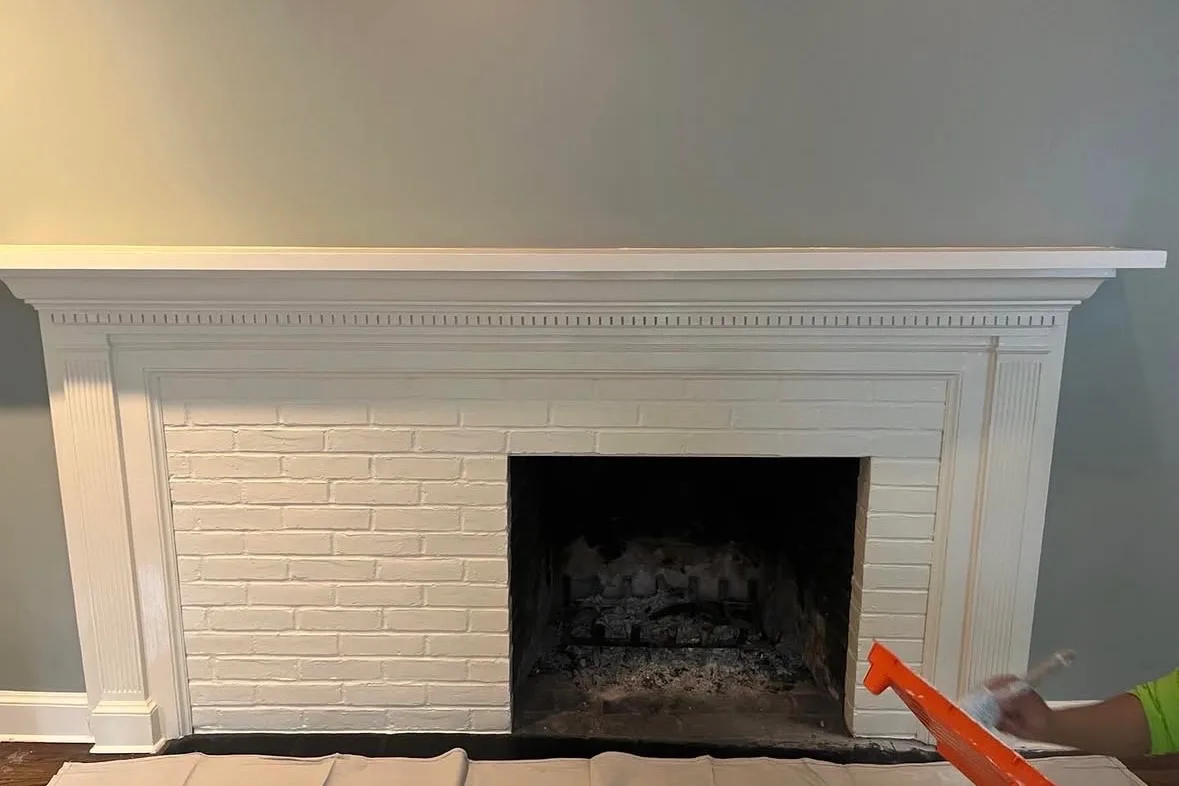
Trim, Baseboard & Crown Molding
Tight miters, clean coped joints and trim profiles that suit the age of your house.
Learn more →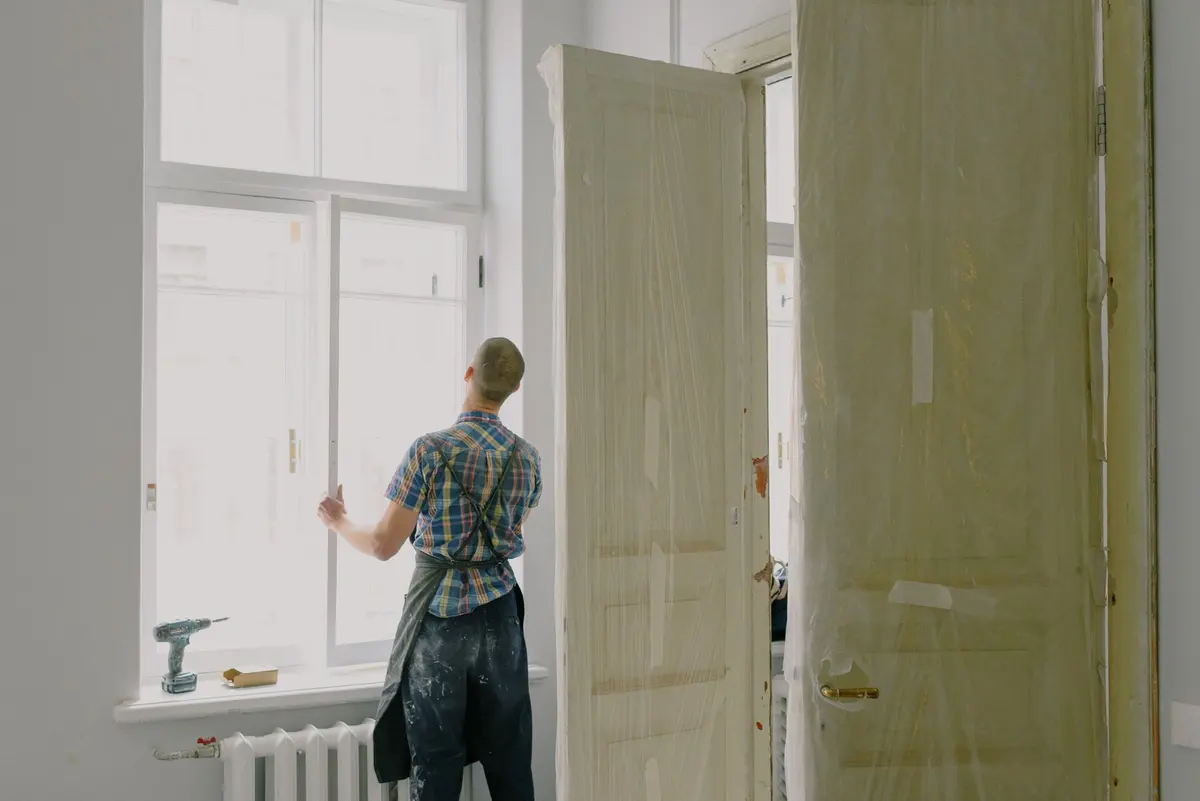
Interior Door Installation
Pre-hung and slab doors hung plumb, with even gaps and latches that catch every time.
Learn more →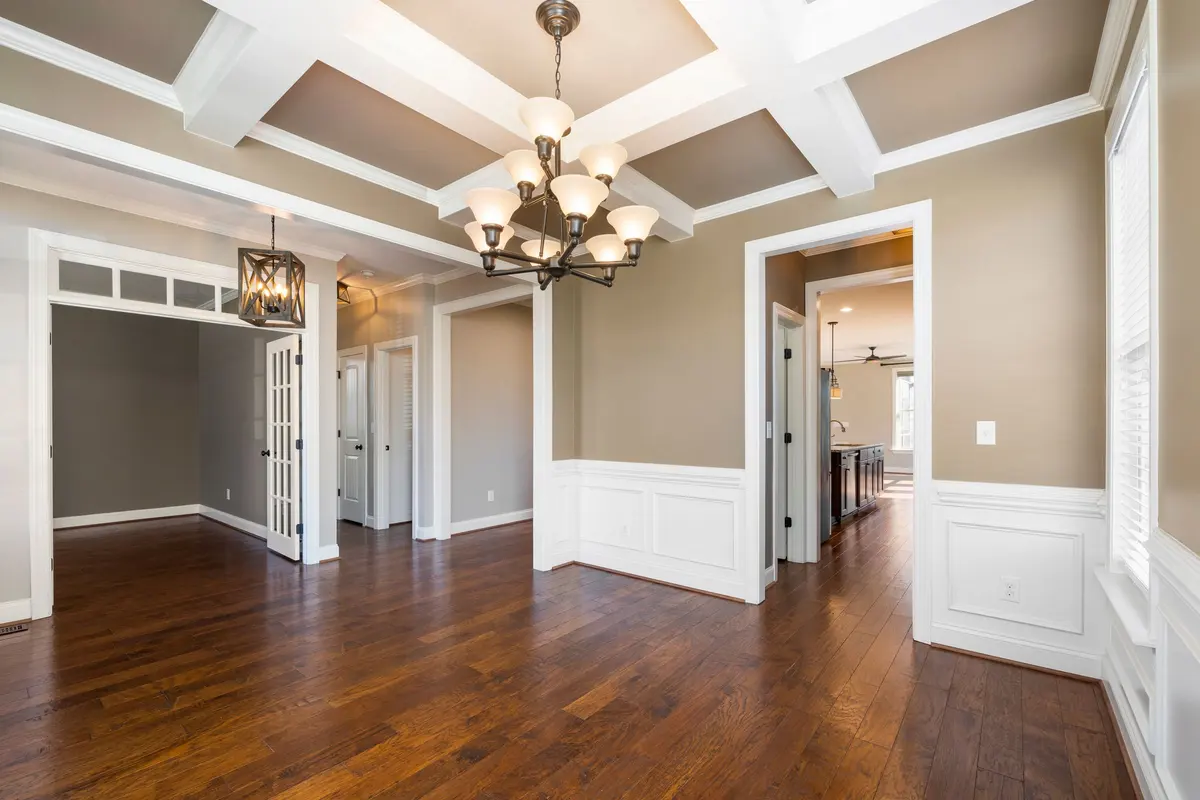
Wainscoting & Wall Paneling
Panel, board-and-batten and beadboard treatments that add depth to dining rooms, halls and baths.
Learn more →Windows or doors that need finishing?
Tell us how many openings and whether new windows are going in, and we will plan the trim.