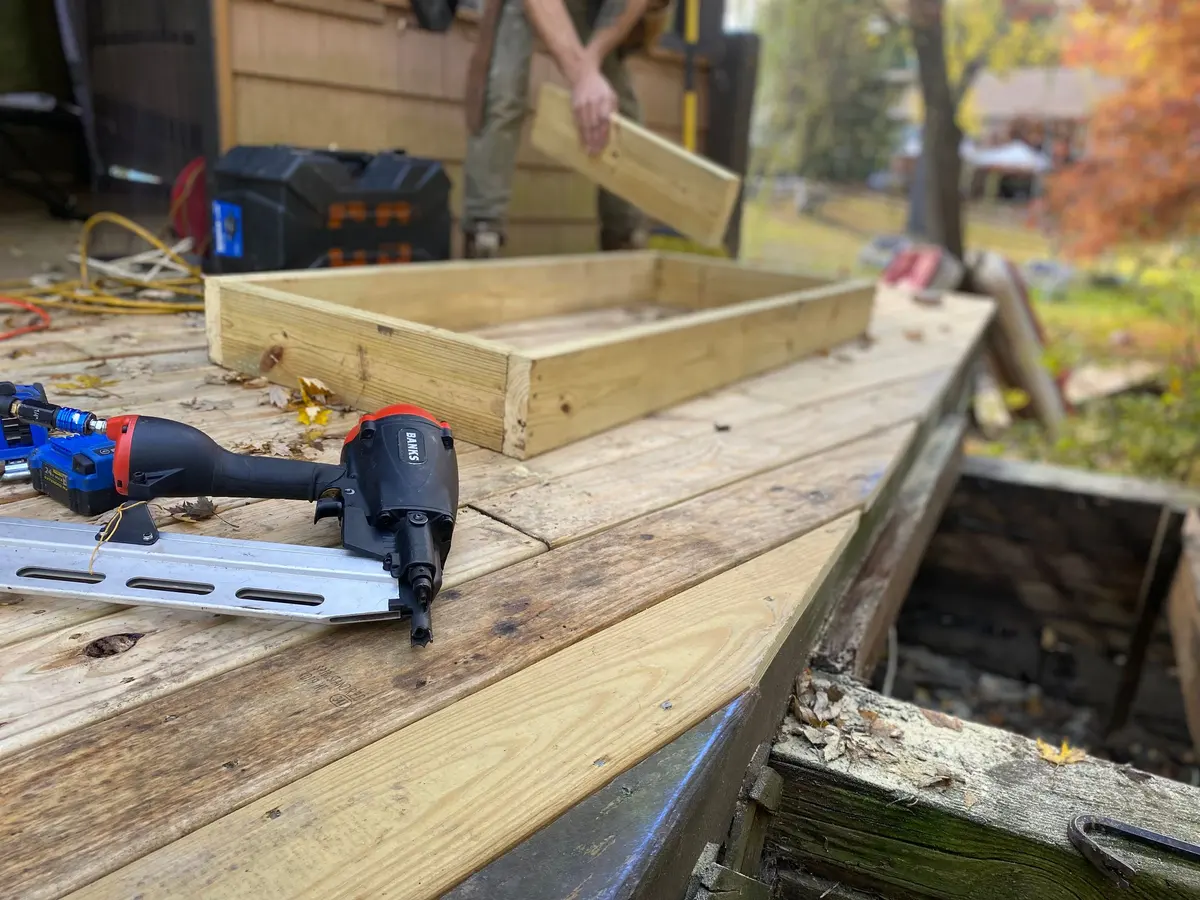
Deck Builder in Westchester, NY: New Decks & Deck Repairs
Decks framed for freeze-thaw winters, shaded lots and the weight of real life, built properly the first time or repaired before small problems become big ones.
Deck Building & Repair in Yorktown Heights and Westchester
A deck is a small structure attached to your house, and it should be built like one. Underneath the boards, a safe deck depends on footings that reach below the frost line, a ledger board flashed and bolted to the house, joists sized for their span and posts and railings that hold up when someone leans on them. The decking is the part you see. The frame is the part that matters.
In the Hudson Valley that frame is under constant attack. Winter freezing and thawing heaves footings and loosens fasteners. Wooded lots near Yorktown Heights keep decks shaded and damp, which speeds rot, and the areas around Mohegan Lake and other wet spots are especially hard on ledgers and posts. We build and repair with those conditions in mind.
If you have an existing deck, the first question is whether it should be repaired or replaced. Surface boards and railings are easy fixes. Rotted framing or a failing ledger is a structural problem, and we will tell you which one you have before any work is quoted.
Signs your deck needs attention
- Boards feel soft or spongy underfoot, or a screwdriver sinks easily into the wood.
- The deck pulls away from the house, or there is a visible gap at the ledger board.
- Posts or railings wobble when you lean on them.
- Fasteners are rusted, stains run down the wood or nails keep popping up.
- Boards are cupped, splintering or badly weathered no matter how often you stain.
- The deck is too small, too low or too awkward for how you want to use the yard.
How we build a deck
Site visit and design
We measure the area, look at the house wall, sun and drainage, and agree on size, height, stairs and railing style.
Permit and footings
Most new decks need a permit through the town building department. Footings are dug to below the frost line and set to carry the posts.
Frame the structure
A flashed ledger is bolted to the house, then beams, joists and blocking are framed, spaced and fastened for the planned span and load.
Install decking and stairs
Boards are laid with proper gaps for drainage and movement, and stairs are built with consistent risers and treads.
Railings and final inspection
Guards and handrails are installed to code, the work is ready for inspection and we walk the finished deck with you.
What determines the cost of a deck
Deck pricing varies widely, so we measure first. These are the variables behind the quote.
Size and shape
More square footage means more framing and decking, and cutouts, angles and multiple levels add time.
Height above grade
A tall deck needs longer posts, more bracing, taller railings and stairs, all of which raise cost.
Decking and railing material
Pressure-treated wood is the most economical, cedar and composite cost more, and metal or cable railing is priced above wood.
Site conditions
Rocky soil, tree roots, steep slopes and tight access change how footings are dug and how materials are moved.
Repair versus rebuild
Replacing boards or a railing is a small job. Fixing a rotted frame or a ledger is larger, and sometimes a full rebuild is the sounder choice.
Why we build decks the slow way
Most deck problems start where nobody looks: an unflashed ledger that traps water against the house, undersized joists that bounce, posts sitting on blocks instead of footings. Those corners are exactly where cheap decks save money and where good ones spend it. We build the parts you cannot see as carefully as the parts you can.
We also talk about maintenance up front. Where a deck sits in shade, what stain or sealer it needs and how often, and where it will show wear first are all part of choosing the right materials. A deck that fits your yard and your patience for upkeep will be the one you enjoy for years.
Where we do this work
We build and repair decks around Yorktown Heights and nearby. Lake-area homes in Mohegan Lake and the larger rural lots in Somers are two places where outdoor structures see a lot of use and a lot of moisture, so we pay extra attention there.
Carpenter in Mohegan Lake · Carpenter in Somers · All service areas
Deck Building & Repair: questions homeowners ask
Do I need a permit to build a deck?
In most cases yes. New decks and significant repairs are generally permitted work, and the town building department reviews plans and inspects footings and framing. Requirements differ between municipalities, and we plan the project around your local rules.
Should I repair my old deck or replace it?
If the frame, ledger and posts are sound, replacing boards and railings is usually the economical choice. If framing is rotted or the ledger is failing, a rebuild is safer. We inspect before recommending either.
Is wood or composite decking better?
Wood is the lower upfront cost and looks natural but needs regular sealing or staining. Composite costs more at the start, lasts with little maintenance and does not splinter. The frame underneath is typically treated lumber either way.
How long does it take to build a deck?
A straightforward deck can be built in a matter of days to a couple of weeks once permits are in place, depending on size, weather and the complexity of stairs and railings. Permit review adds waiting time before work starts.
When can I stain a brand-new pressure-treated deck?
New pressure-treated lumber holds moisture and usually needs time to dry before stain will soak in. The wait varies with season and wood, so ask before you stain or seal, and we will give you a recommendation based on your boards.
Can a deck be built or repaired in winter?
Repairs and some framing can be done in cold weather, but frozen ground makes footings hard and wet or icy boards are unsafe. Many homeowners plan in winter and schedule construction for spring.
Related services
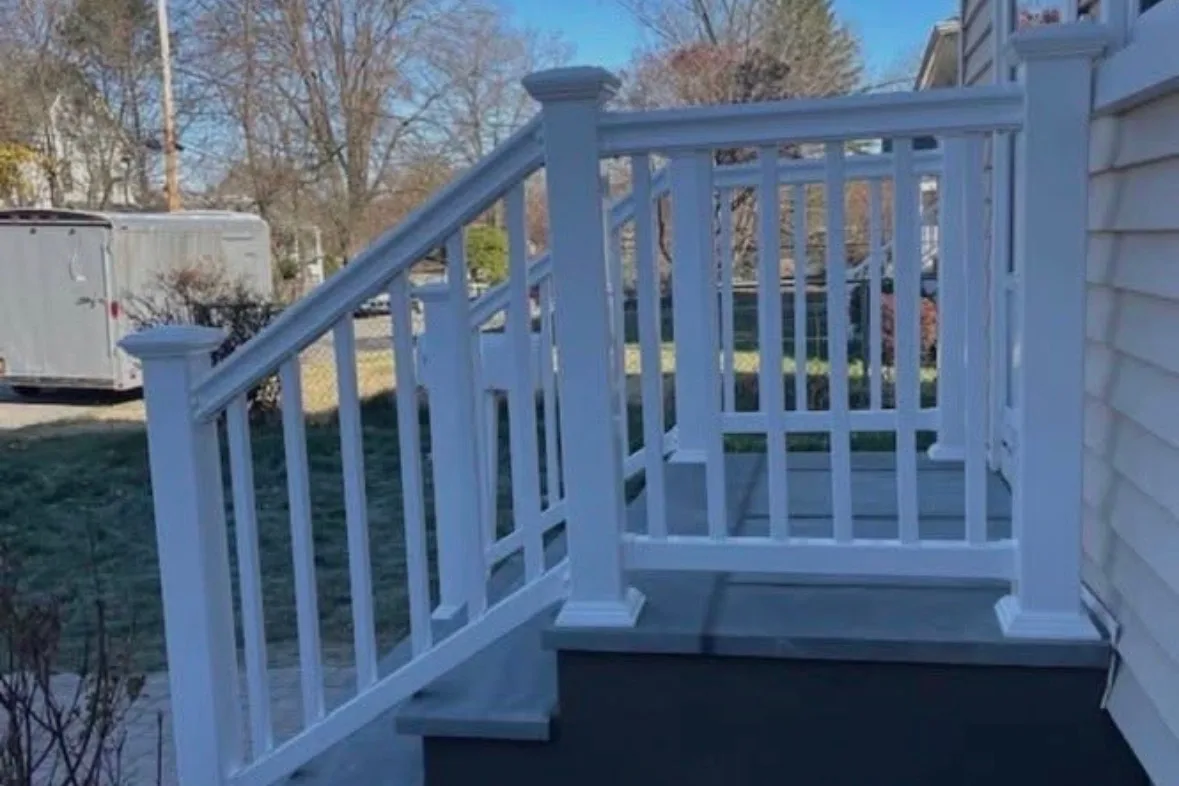
Stairs & Railings
Railings, balusters and treads that feel solid underhand and meet code.
Learn more →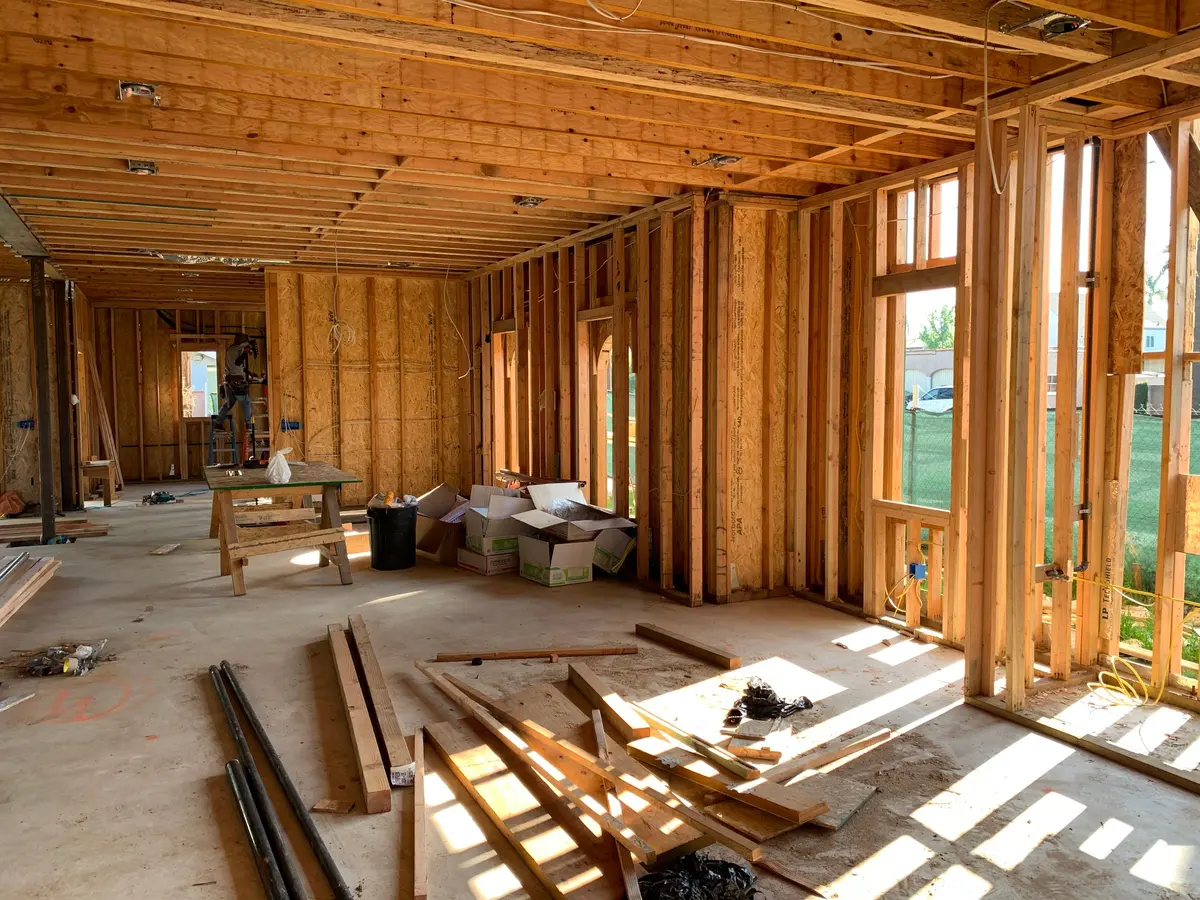
Framing
Wall, opening and partition framing for additions, basements and layout changes.
Learn more →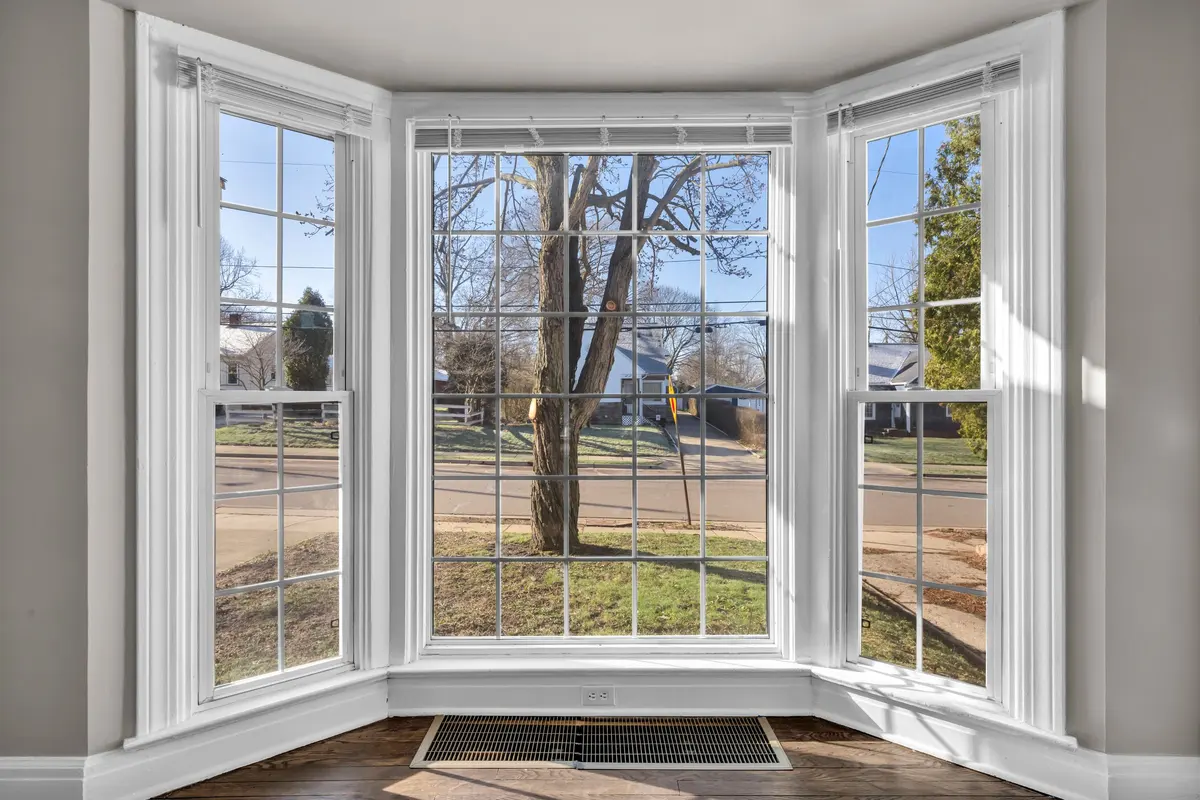
Window & Door Casing
Casings, aprons and stools that finish an opening and hide the gap between wall and frame.
Learn more →Ready to talk about your deck?
Tell us whether it is a new build or a repair, the rough size and a photo of the yard if you have one.