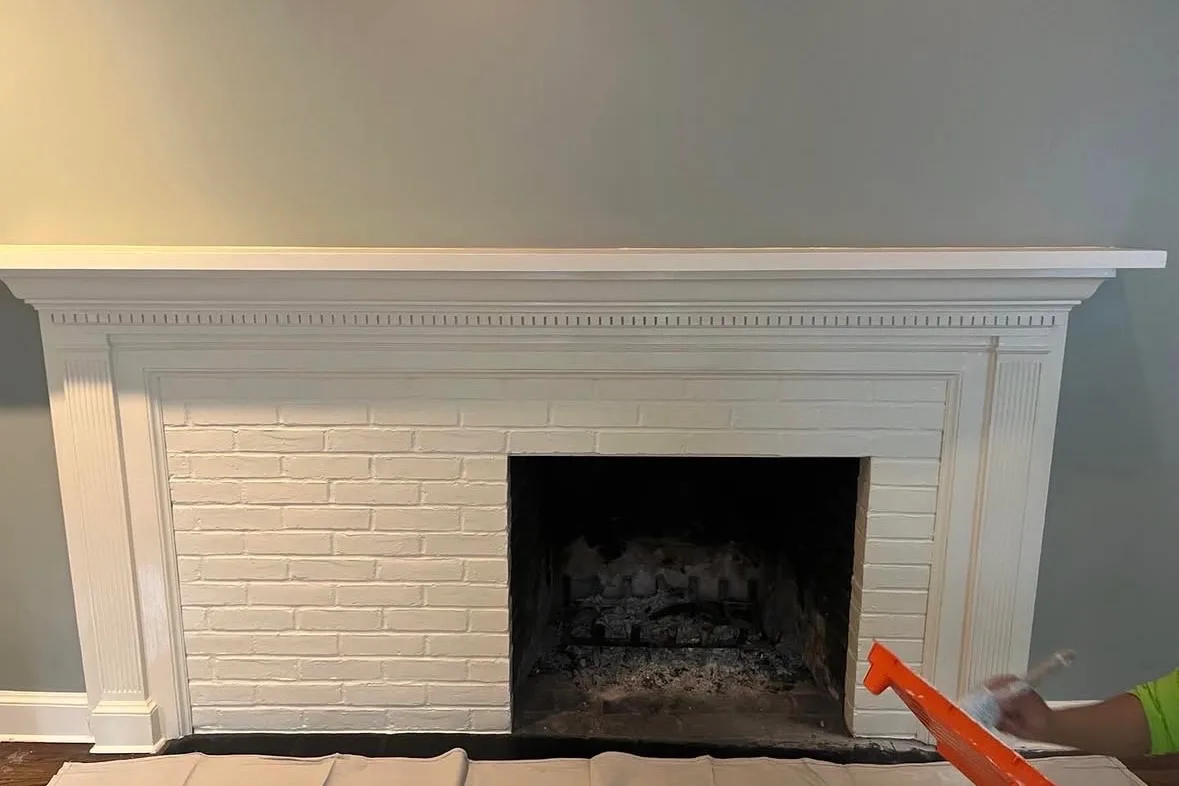
Crown Molding, Baseboard & Trim Installation in Westchester, NY
Coped corners that stay closed, miters that line up and trim profiles chosen to suit the age and proportions of your house.
Trim, Baseboard & Crown Molding in Yorktown Heights and Westchester
Trim is the frame around every room. Baseboard grounds the walls at the floor, crown molding softens the corner where wall meets ceiling, and the two together set the tone of a room more than most people realize. They also hide the unavoidable gaps where flat surfaces meet. That is why the joints need to be tight and the lines straight.
The challenge is that walls and ceilings are never perfect. A ceiling that dips along a wall, a corner that is not quite ninety degrees or a floor that slopes toward the center means a miter cut from a textbook angle will leave a gap. We use coped inside corners and check each corner's real angle, so the joints close and the lines run true across the room.
Profile and scale matter as much as installation. A tall, built-up crown looks right in a nine-foot dining room and heavy in a low-ceilinged cape. We help you choose the height and style that fits.
When trim work is the right next step
- New flooring was installed and the baseboard needs replacing or adding quarter round.
- Corners have opened up, joints show gaps or nails have popped through paint.
- There is a hairline crack where the wall meets the ceiling that keeps returning.
- Old baseboard is thin, dented or buried under years of paint layers.
- A dining room, living room or hallway feels plain and unfinished.
- A renovation left raw edges where walls, floors or ceilings meet.
How we install baseboard and crown molding
Select profile and height
We help you pick a trim profile and size that suits your ceiling height, the room's proportions and the other trim in the house.
Check walls, ceilings and floors
We find studs and blocking, check ceiling lines for dips and look at how the corners really meet before measuring.
Cut and cope the joints
Outside corners are mitered and inside corners coped to fit, and long runs are scarfed so seams do not show.
Fasten and set
Trim is nailed into framing and secured with adhesive where needed, with nails set below the surface.
Fill, sand and caulk
Nail holes and joints are filled, caulk lines are tooled and the trim is ready for paint.
What affects the cost of trim and molding
Trim is priced by the foot and by the difficulty of the run. Here is what moves the number.
Linear footage
The total length of baseboard or crown is the starting point for any trim quote.
Profile and material
Simple painted baseboard costs less than tall stain-grade profiles, built-up crown or hardwood trim.
Ceiling height and access
Higher ceilings mean scaffolding, longer setup and heavier lifts for crown molding.
Number of corners and angles
Each inside and outside corner takes extra cutting and fitting, so a room with bays and angles takes longer than a simple box.
Condition of walls
Plaster that has cracked or uneven drywall may need repair or shimming before trim goes up.
Why trim rewards patience
The difference between amateur and professional trim is not the tools. It is the willingness to cope a corner three times until it closes, to plane a board to follow a wavy wall and to hold the cutting pencil to the actual measurement rather than the plan. These small acts are invisible when done and obvious when skipped.
We also sequence trim with your other work. Baseboard goes in with an eye on the flooring, crown goes up before final paint and casing ties into doors and windows. Planning the order saves repainting and prevents damage.
Where we do this work
Trim work is some of our most common work, from older plaster-wall capes in Yorktown Heights to the townhomes and colonials of Jefferson Valley. We cover the surrounding area too, so ask about your address.
Carpenter in Yorktown Heights · Carpenter in Jefferson Valley · All service areas
Trim, Baseboard & Crown Molding: questions homeowners ask
What is the difference between coped and mitered joints?
A mitered joint cuts both boards at an angle that meets at the corner, while a coped joint cuts one board to match the profile of the other. Coped inside corners hold up better as the house moves, because they do not open as easily as a miter when wood shrinks.
How do I choose the right height for baseboards?
Taller baseboards suit higher ceilings and larger rooms, while lower ones suit smaller spaces and modern styles. As a rule of thumb, scale up with ceiling height, and match what is already in adjacent rooms so the house feels consistent.
Should baseboard be installed before or after new flooring?
Usually the baseboard goes in after the floor, so the floor can run to the wall and be covered by the baseboard and shoe or quarter round. If your trim is staying and only the floor is changing, tell us so we can plan the removal.
Can crown molding be installed on a sloped or vaulted ceiling?
Often, yes, but it takes more layout and unusual cuts. Cathedral ceilings and sloped soffits need careful measuring, so we look at the room before quoting.
Will crown molding hide a crack between the wall and ceiling?
It can hide the line, and a flexible caulk joint helps keep it from reopening. If the crack comes from movement or a moisture problem, the cause should be addressed first, and we will tell you if we think that is the case.
Related services
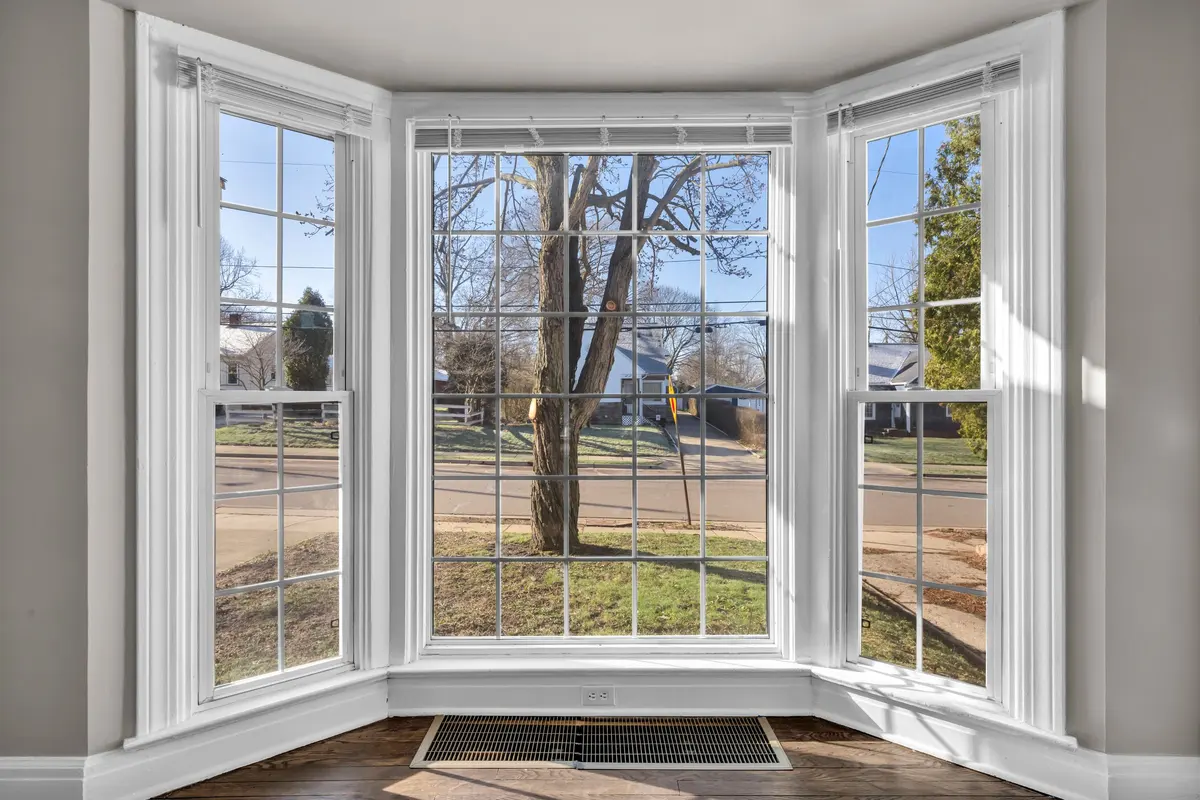
Window & Door Casing
Casings, aprons and stools that finish an opening and hide the gap between wall and frame.
Learn more →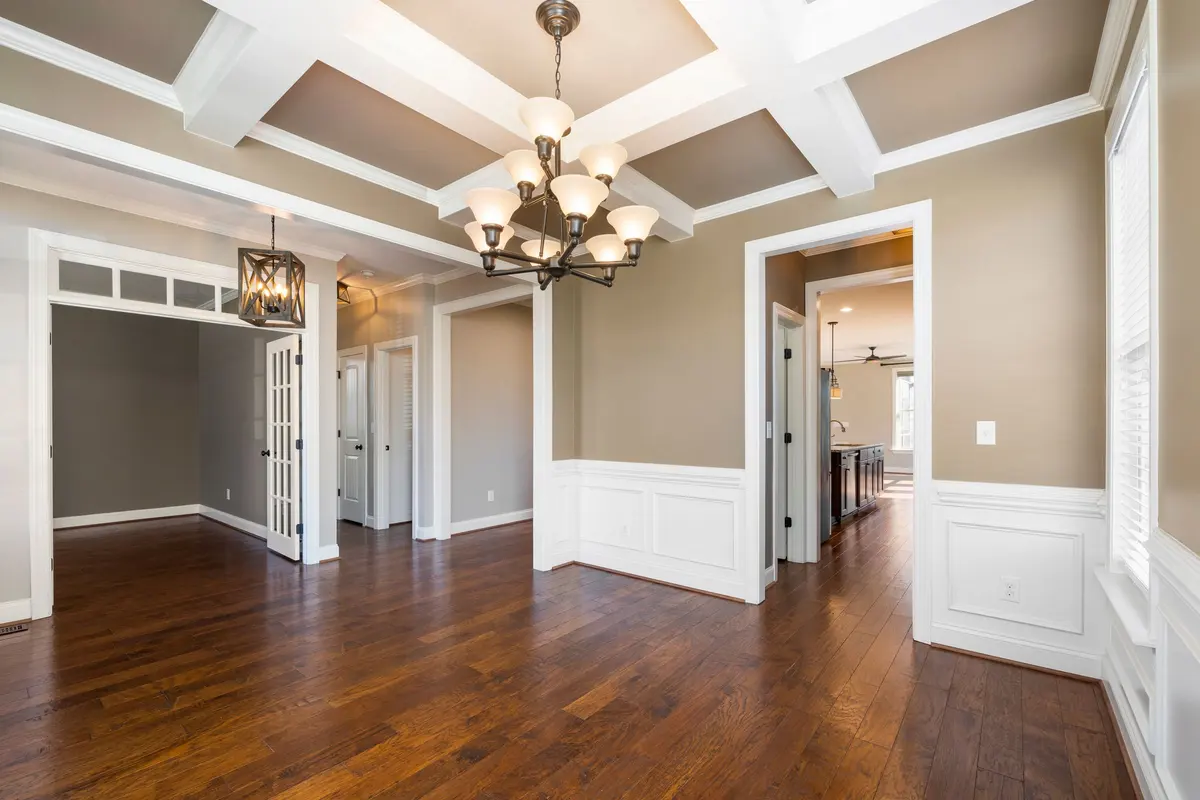
Wainscoting & Wall Paneling
Panel, board-and-batten and beadboard treatments that add depth to dining rooms, halls and baths.
Learn more →
Interior Door Installation
Pre-hung and slab doors hung plumb, with even gaps and latches that catch every time.
Learn more →Ready to finish the room with proper trim?
Tell us which rooms, the ceiling height if you know it and the style you like, and we will take it from there.