
Finish Carpenter Near Me: Trim, Doors & Paneling in Westchester, NY
The details people see every day: baseboard, casings, crown molding, doors and wall paneling.
Finish carpentry is where a house starts to look finished
Finish carpentry is the last layer of wood in a room and the first thing anyone notices. Baseboards, window and door casings, crown molding, interior doors and wall paneling hide the joints between the big surfaces and give a room its character. When this work is done well nobody comments on it. When it is done badly, every gap and crooked line draws the eye.
Hudson Valley homes make the job more interesting. Houses from the 1920s through the 1960s often have plaster walls that bow and ceilings that run out of level, so tight miters take patience and sometimes a plane. Newer drywall homes are flatter but still move: the swings between humid summers and dry, heated winters mean wood expands and contracts, so joint design, material choice and caulking matter if you do not want hairline gaps by February.
Style matters too. A simple flat casing suits a 1990s colonial, a built-up crown suits a formal dining room, and a farmhouse in Somers may call for a wider profile that echoes what was there originally. We help you choose the trim that suits the age and proportions of your house, then install it to match.
Finish carpentry services
From a single room of baseboard to a whole-house trim package, these are the finish services we offer.
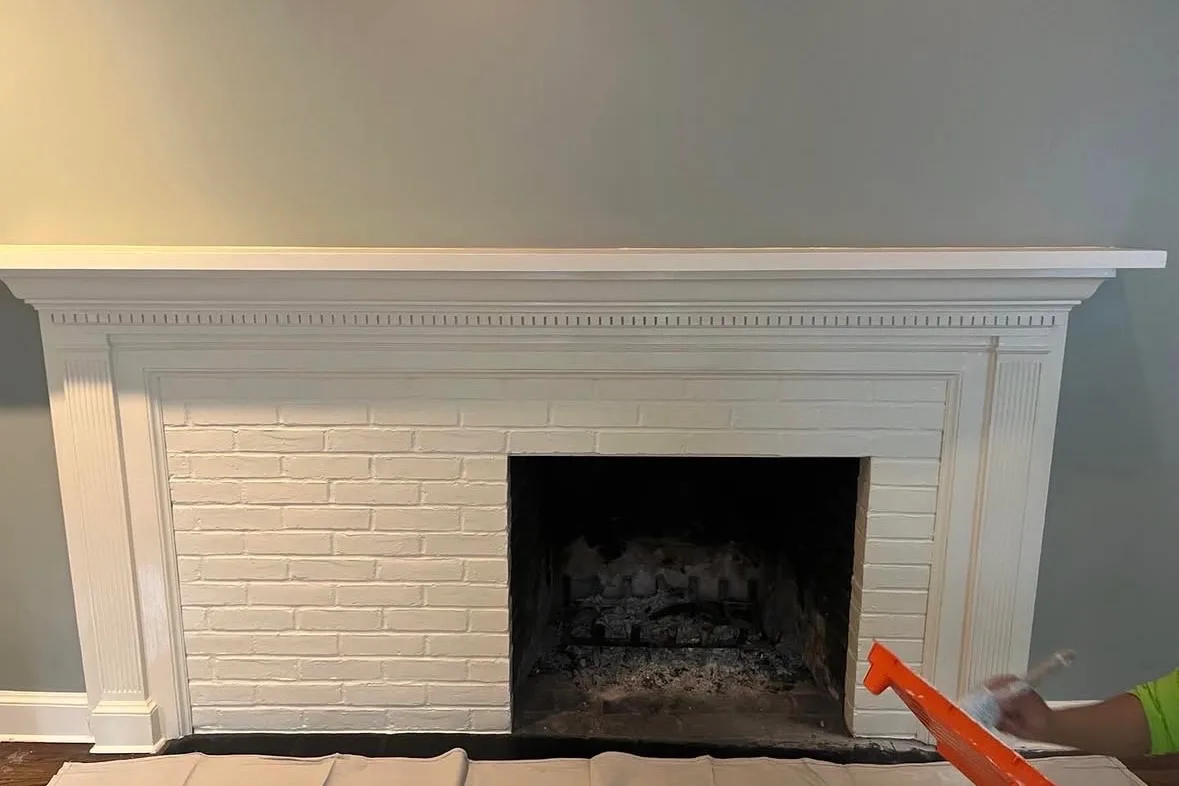
Trim, Baseboard & Crown Molding
Tight miters, clean coped joints and trim profiles that suit the age of your house.
Learn more →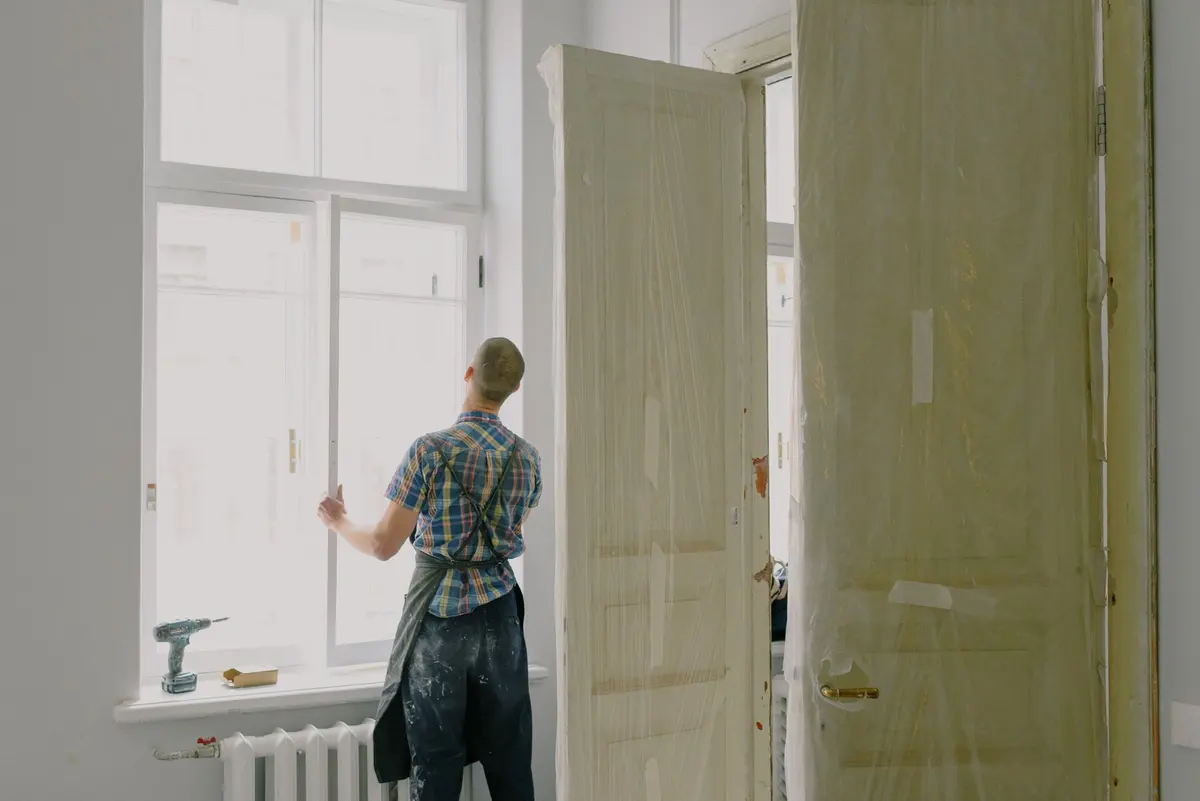
Interior Door Installation
Pre-hung and slab doors hung plumb, with even gaps and latches that catch every time.
Learn more →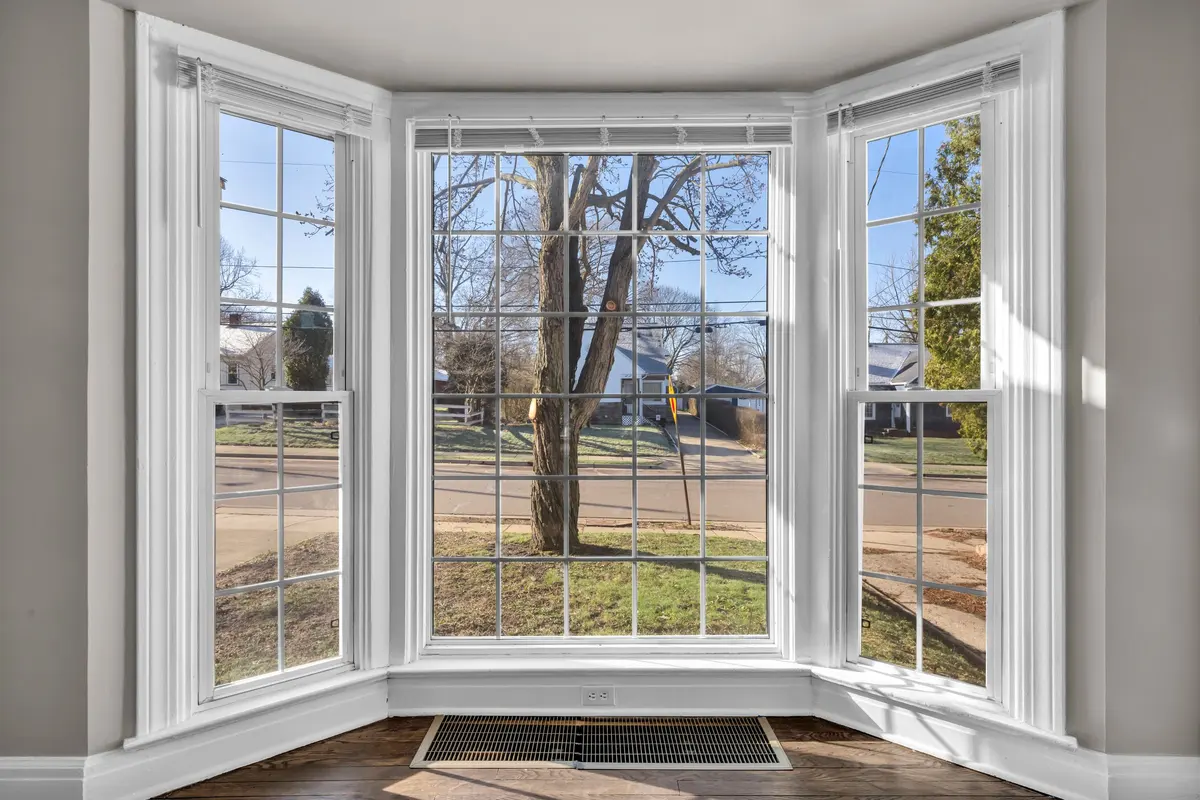
Window & Door Casing
Casings, aprons and stools that finish an opening and hide the gap between wall and frame.
Learn more →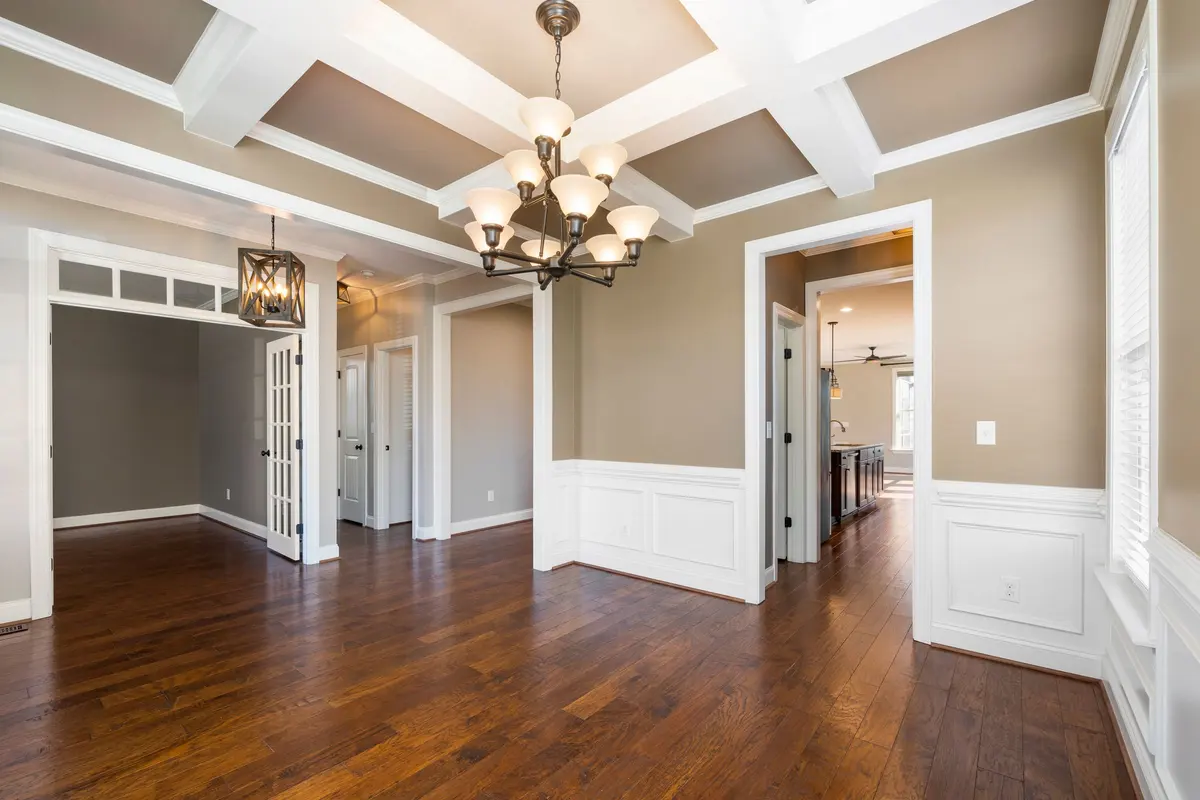
Wainscoting & Wall Paneling
Panel, board-and-batten and beadboard treatments that add depth to dining rooms, halls and baths.
Learn more →Why finish work rewards a careful carpenter
Trim is unforgiving because it sits right at eye level, in good light, next to straight lines your brain compares it against. Coped inside corners that stay closed, miters that line up across a long wall and casings with even reveals around every opening are the difference between trim that looks custom and trim that looks stuck on.
We plan the finish carpentry in the same order a good job runs: confirm profiles and materials first, check each wall and ceiling for flatness, then cut and fit. It is slower than nailing up whatever is in the truck, and it is why the work lasts.
Finish Carpentry: common questions
Should trim be paint-grade or stain-grade?
Paint-grade trim (often finger-jointed pine, MDF or PVC) is the most common and the most economical. Stain-grade trim is solid hardwood or clear-grained wood and costs more. If you plan to paint, paint-grade is the sensible choice; if you want visible grain, say so before materials are ordered.
Is wood, MDF or PVC trim better?
Solid wood is the traditional choice and works nearly everywhere indoors. MDF is smooth and economical but does not like moisture. PVC is waterproof and suits bathrooms and some exterior uses. The best material depends on the room and the finish you want.
Will my new trim open up at the corners in winter?
Some seasonal movement is normal in wood, especially when heating dries out the house. Good joint design, acclimating the material before install, and flexible caulk where appropriate keep movement from showing. We plan for it rather than hope it does not happen.
How long does a trim project take?
A single room of baseboard and casing can often be done in a day or two, while a whole-house package with crown, doors and paneling takes longer. The scope, the number of openings and how much repair the walls need all change the schedule, so a quick look at the space is the best way to answer this.
Do I need to paint before or after the trim goes in?
Usually the trim is installed, nail holes are filled and joints are caulked, and then trim and walls are painted. Tell us whether you plan to paint yourself or hire a painter so we can sequence the work and leave the surfaces ready.
Ready to finish the details?
Send us the rooms you are working on and the look you want, and we will go from there.