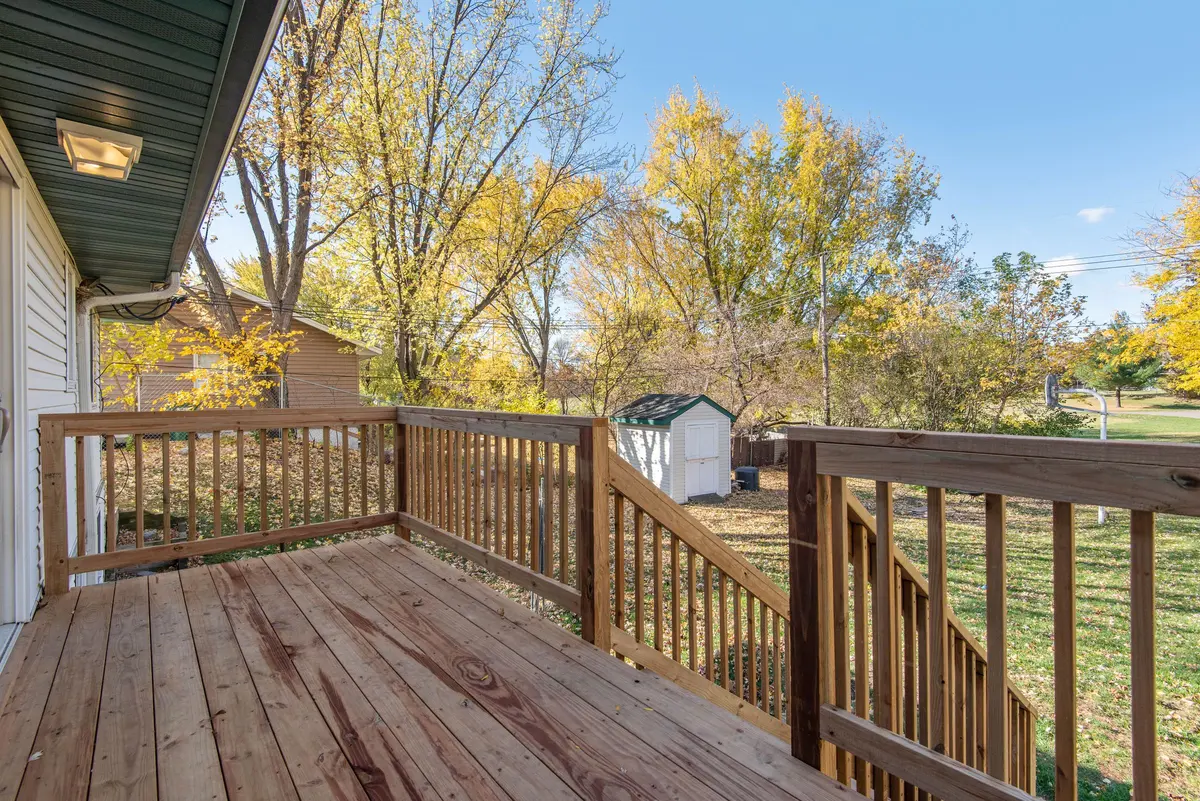
Exterior Carpentry in Westchester, NY: Decks & Outdoor Structures
Outdoor carpentry designed for Hudson Valley freeze-thaw winters, heavy rain and mature-tree shade.
Outdoor carpentry has to survive the weather first
Exterior carpentry is a different discipline from interior work because the weather is part of the design. Rain, snow, freezing nights and strong summer sun all attack wood and fasteners, and water finds any joint that was left open. Good exterior work is mostly about where water goes: flashing, slope, spacing and ventilation.
The Yorktown Heights area adds its own challenges. Winters swing across freezing again and again, and each cycle heaves footings and works at fasteners. Lots here are often wooded, so decks sit in shade under oaks and maples, stay damp longer and collect leaves that hold moisture against the wood. Older decks near lakes and wetlands, such as around Mohegan Lake, show rot sooner at ledgers, rim joists and posts.
That is why we focus on the details that decide how long an outdoor structure lasts: proper footing depth for the frost line, a flashed and properly fastened ledger, treated or naturally durable material where it touches the ground, and spacing that lets boards dry between rains.
Exterior carpentry services
Right now our exterior work centers on decks, both new builds and repairs. Ask us about other outdoor carpentry you have in mind.
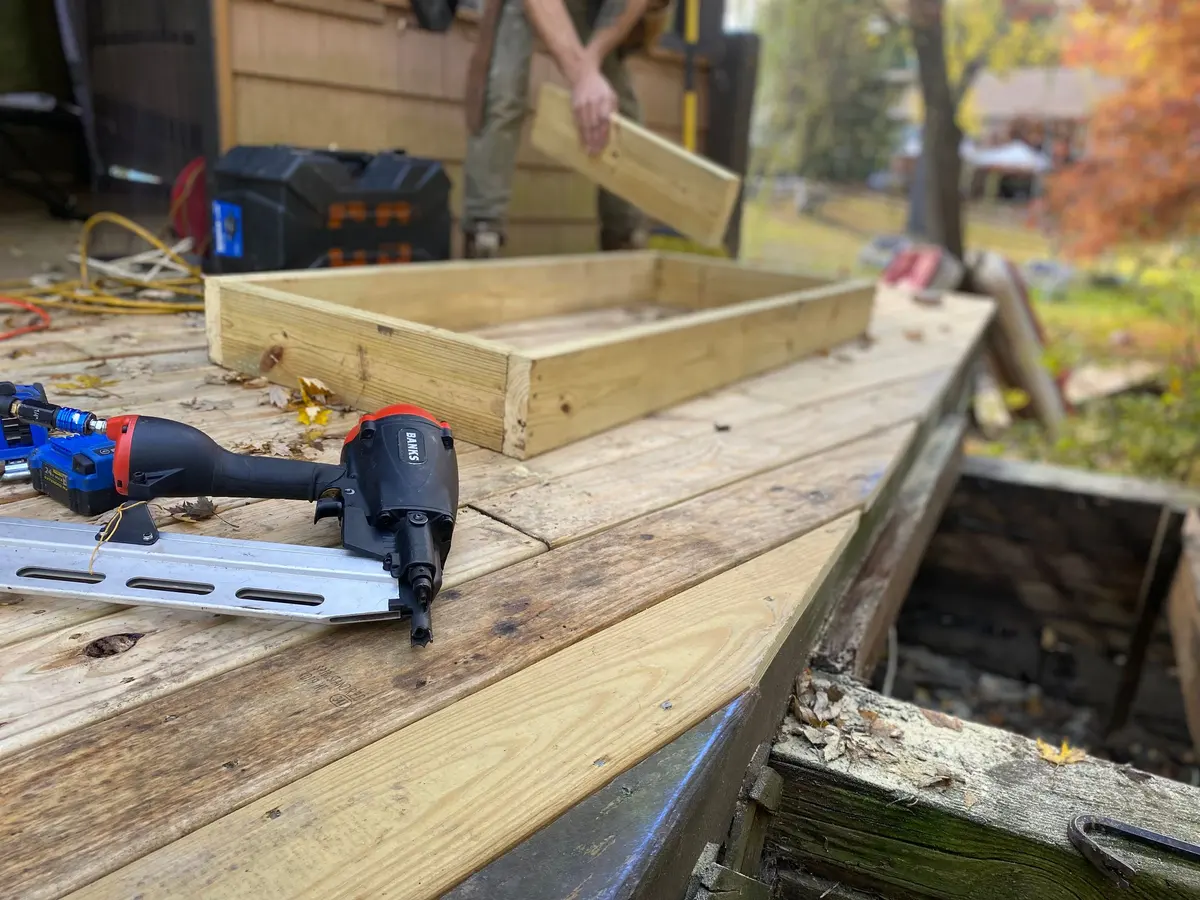
Why choose a carpenter for exterior work
A deck is a structure that people stand on, with guests, furniture and sometimes a hot tub all adding load. It should be framed like a structure, not assembled like furniture. We pay attention to the connection to the house, the span and spacing of framing, and the railing system, because those are where failures happen.
We also think about what comes after the build: how the deck will age, what maintenance it needs and where it will show wear first. Choosing the right material and details at the start is the cheapest maintenance there is.
Decks & Exterior Carpentry: common questions
What does exterior carpentry include?
It covers wood and trim work outside the house: decks, deck repairs, stairs and railings on outdoor structures and similar projects. Our current focus is decks. If you have a different outdoor carpentry project, call and describe it.
How deep do deck footings have to be in Westchester?
Footings need to reach below the frost line so winter freezing does not lift them. In this part of the Hudson Valley that is about three and a half feet, but your building department confirms the exact depth and whether a permit is needed.
Pressure-treated wood, cedar or composite: which is best?
Pressure-treated lumber is the most economical and is standard for framing. Cedar looks warmer and resists decay naturally but costs more. Composite decking needs little upkeep and costs the most. The framing underneath is usually treated lumber in every case.
When is the best time of year to build or repair a deck?
Spring through fall is the most common window, and good builders book up in spring. Planning in winter and scheduling for early spring often gets you on the calendar before the rush.
How do I know if my deck is unsafe?
Warning signs include soft or spongy wood, a ledger that is pulling away from the house, wobbly posts or railings, rusted fasteners and visible rot at the rim joist. If you notice any of these, avoid crowding the deck and ask for an inspection.
Thinking about a new deck or a repair?
Send us the size, the age of the existing deck if there is one, and a few photos if you have them.