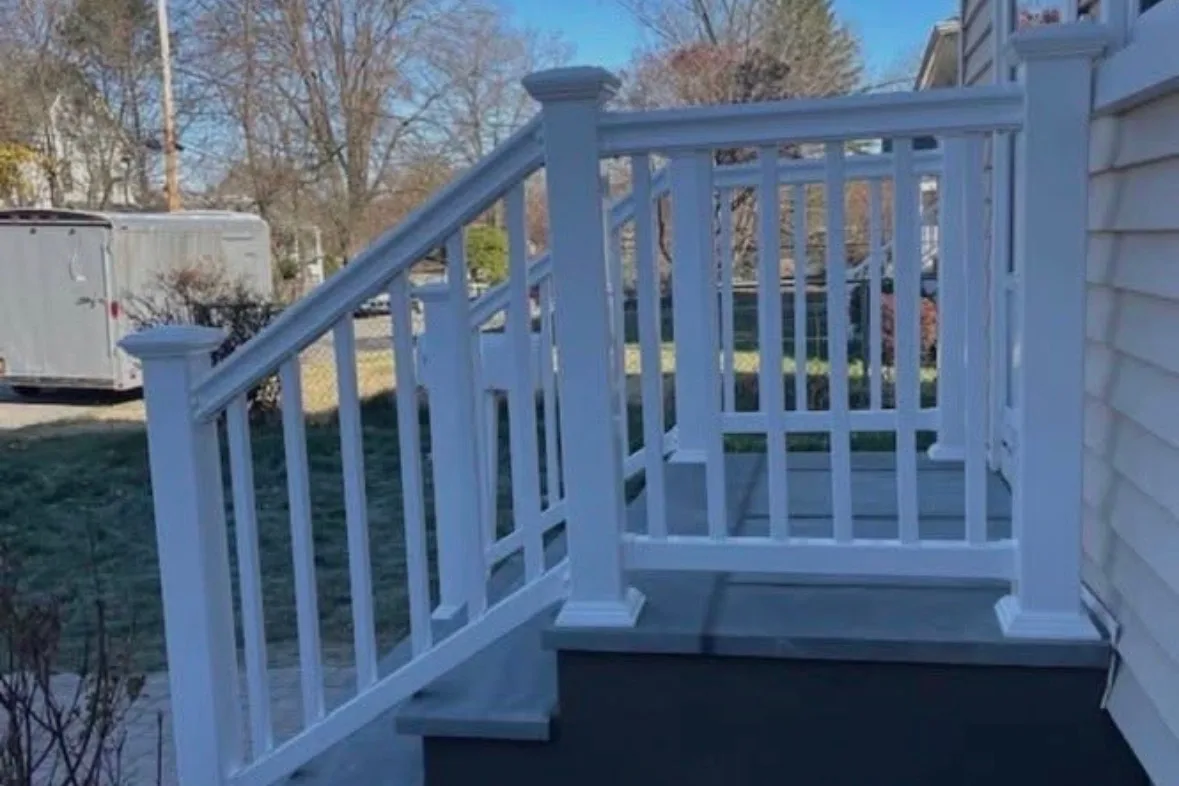
Stair Railing Installation & Stair Repair in Westchester, NY
Railings, balusters, newel posts and treads that feel solid underhand and meet the safety rules that apply to your stairs.
Stairs & Railings in Yorktown Heights and Westchester
A stair railing does one job: it stops people from falling. That is why it matters more than almost any other piece of trim in the house, and why a loose newel post or wide baluster gaps are worth fixing now. Railings also happen to be one of the most visible features of a staircase, so they have to look good as well as be safe.
Typical code rules cover the details that make a stair safe to use: a maximum height for risers and a minimum depth for treads, handrails mounted at a set height range, guards on open sides where the drop is significant and a tight limit on the opening between balusters so a small child cannot slip through. The specifics come from the Residential Code of New York State and your local building department, and we build to them.
Older houses around Yorktown Heights often have stairs that were built before current rules and have never been updated. Replacing a railing or adding a missing handrail is often a simple way to bring a stair closer to modern safety standards.
Signs your stairs or railing need work
- The railing or newel post wobbles when you lean on it or grab it.
- Gaps between balusters are wide enough for a child to fit through.
- There is no handrail on one or both sides of a staircase.
- Treads squeak, flex or feel loose underfoot.
- Basement or attic stairs are open on one side with no guard at all.
- You are renovating and want a railing that suits the new look of the house.
How we install or replace a stair railing
Inspect the stair
We check stringers, treads and risers for soundness and measure the run, rise and landings, and identify any code issues.
Confirm code and permit needs
We review the rules that apply to your stair and tell you whether a permit or inspection is needed.
Select style and material
Wood, iron or a mix of both, with a baluster pattern and finish chosen to suit the house.
Set posts and anchor to framing
Newel posts are fastened into the structure, not just the treads, so they stay rigid for the long term.
Install rail and balusters
Handrail and balusters are cut and fitted at the proper height and spacing, then finished for stain or paint.
What drives stair and railing cost
Railing prices depend on the stair and the materials. These are the main variables.
Length and number of steps
A longer stair or one with landings, turns and a balcony needs more rail, more posts and more cutting.
Material choice
Painted pine costs less than oak, and wrought iron or metal balusters cost more than wood balusters.
Structural repair
Loose stringers, cracked treads or rotted posts have to be fixed before a new railing can be set.
Curves and angles
Winding stairs and curved rails need specialized layout and fabrication and cost more than straight runs.
Finishing
Staining or painting adds labor, and stain-grade railings take more care than paint-grade.
Why we anchor railings to the structure
A railing is only as strong as its attachment. A newel post fastened only to a tread will loosen over time, so we tie the post to the framing below. Handrail brackets go into studs. These details are not visible when the job is done, but they are what makes the railing feel solid ten years later.
We also help you choose a design that suits the house. A simple painted baluster looks right in a 1950s cape, while a stained oak rail suits a formal colonial hall. Matching the style of the house, rather than the style of the catalog, gives the result a sense of belonging.
Where we do this work
We repair and replace stair railings across our service area. Older farmhouses in Somers and Shrub Oak often have stairs that predate modern rules, while basement and attic stair projects come up all over Yorktown Heights.
Carpenter in Shrub Oak · Carpenter in Somers · All service areas
Stairs & Railings: questions homeowners ask
What height should a stair handrail be?
Residential handrails are typically set about 34 to 38 inches above the stair nosing line, and guards on open sides are generally at least 36 inches. Exact requirements depend on the code in force locally, and we confirm them for your stair.
How close together do balusters have to be?
The general residential rule is that a 4-inch sphere should not pass through the openings in a guard. That is why wide gaps in old railings are a safety concern.
Can you add a handrail to a stair that does not have one?
Yes. A handrail can usually be added by anchoring brackets into wall studs, and it is one of the most effective safety upgrades. It must be graspable and continuous along the stair.
Why is my newel post loose, and can it be fixed?
Newel posts loosen when they are fastened only through the tread or flooring. Fixing it usually means adding blocking and through-fastening to the framing so the post is anchored to the structure.
Can you fix squeaky stair treads?
Often yes. Squeaks usually come from movement between the tread, riser and stringer, and can be reduced with screws, glue or blocking from below or above. A short inspection tells us what is going on.
Related services
Framing
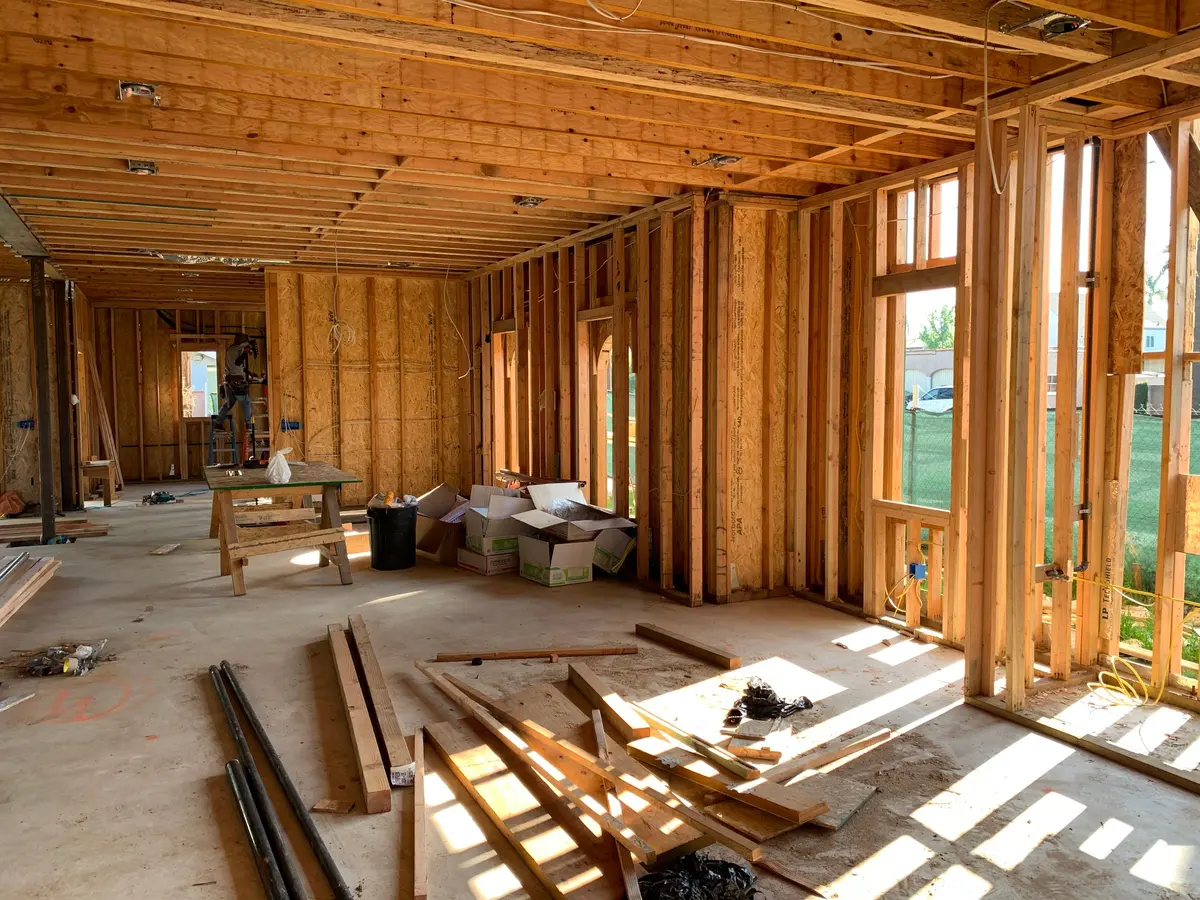
Wall, opening and partition framing for additions, basements and layout changes.
Learn more →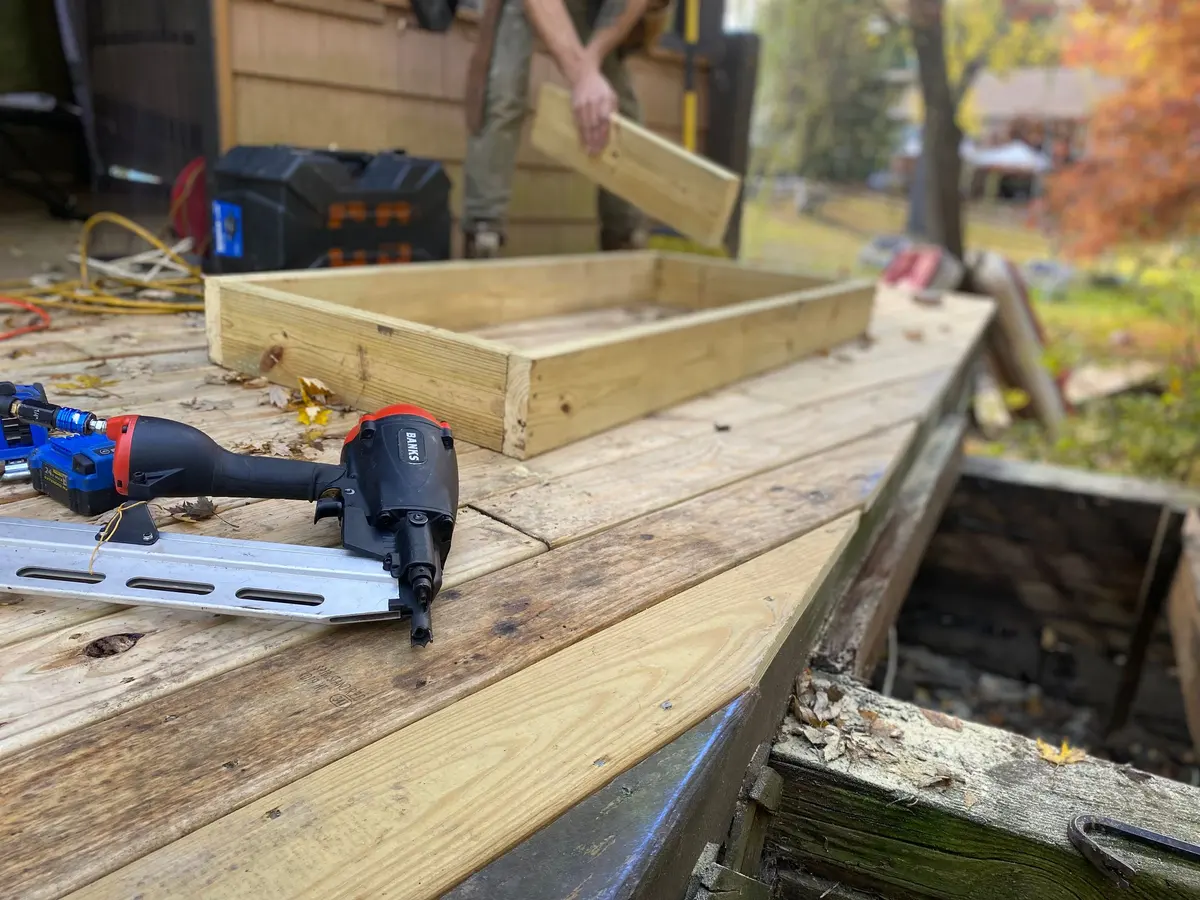
Deck Building & Repair
New decks and deck repairs framed for freeze-thaw cycles, drainage and long-term safety.
Learn more →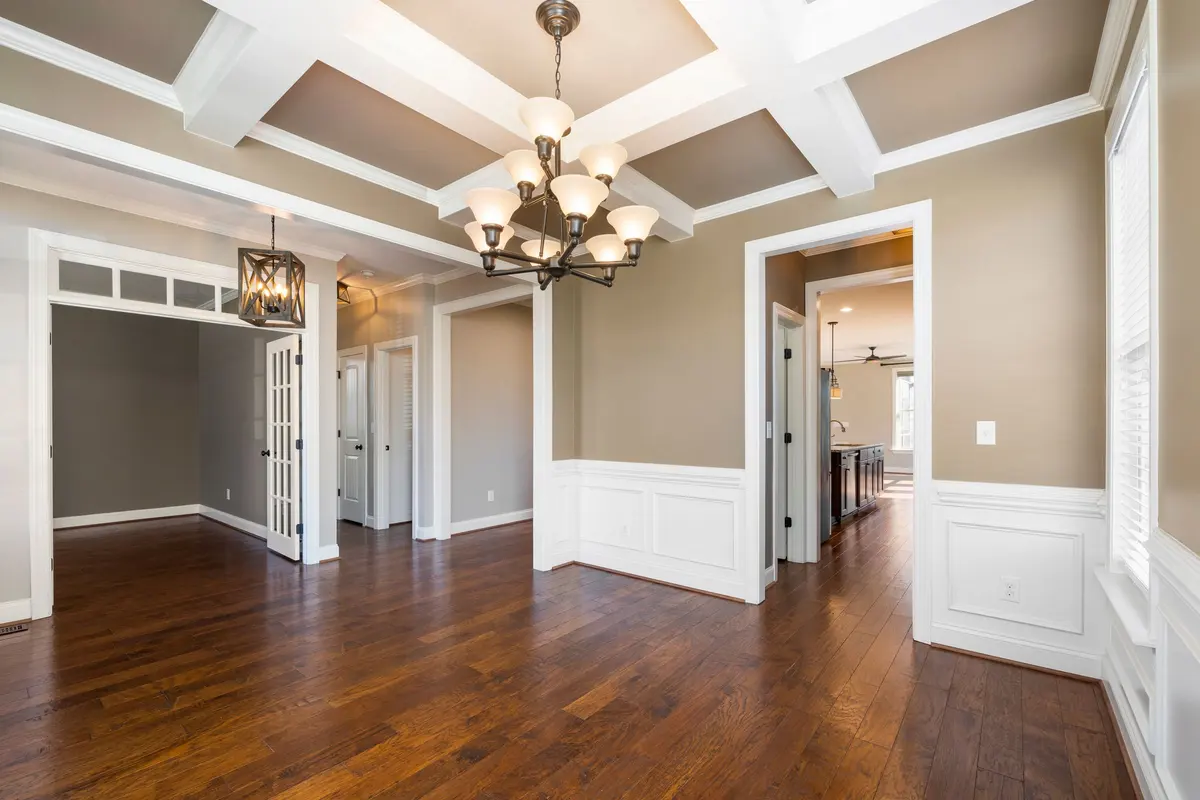
Wainscoting & Wall Paneling
Panel, board-and-batten and beadboard treatments that add depth to dining rooms, halls and baths.
Learn more →Need a safer or better-looking stair railing?
Tell us about the stairs, what is wrong with the current railing and send a photo if you can.